

The Ultimate Guide to Choosing the Right Wrapping Machine for Modern Manufacturing
Release time: 2026-04-27
Table of Contents
In today’s fast-paced industrial landscape, efficiency, product safety, and cost management are the cornerstones of a successful supply chain. At the very heart of end-of-line packaging operations lies the wrapping machine. Whether you are dealing with individual consumer goods or massive industrial pallets, implementing the correct wrapping technology is no longer an optional upgrade—it is a critical necessity for maintaining competitive advantage. As global logistics become more complex, industry innovators like TANNENG are engineering advanced packaging solutions designed to streamline operations and protect goods against the rigorous demands of transit.
This comprehensive guide explores the multifaceted world of wrapping machines, detailing their types, core benefits, selection criteria, and how they contribute to a highly optimized, automated manufacturing ecosystem.
Understanding the Landscape of Wrapping Technologies
The term “wrapping machine” encompasses a broad spectrum of equipment, each engineered to address specific packaging challenges, material types, and production volumes. To fully grasp their capabilities and make an informed purchasing decision, it is essential to categorize these machines based on their functional applications.
1. Stretch Wrapping Systems
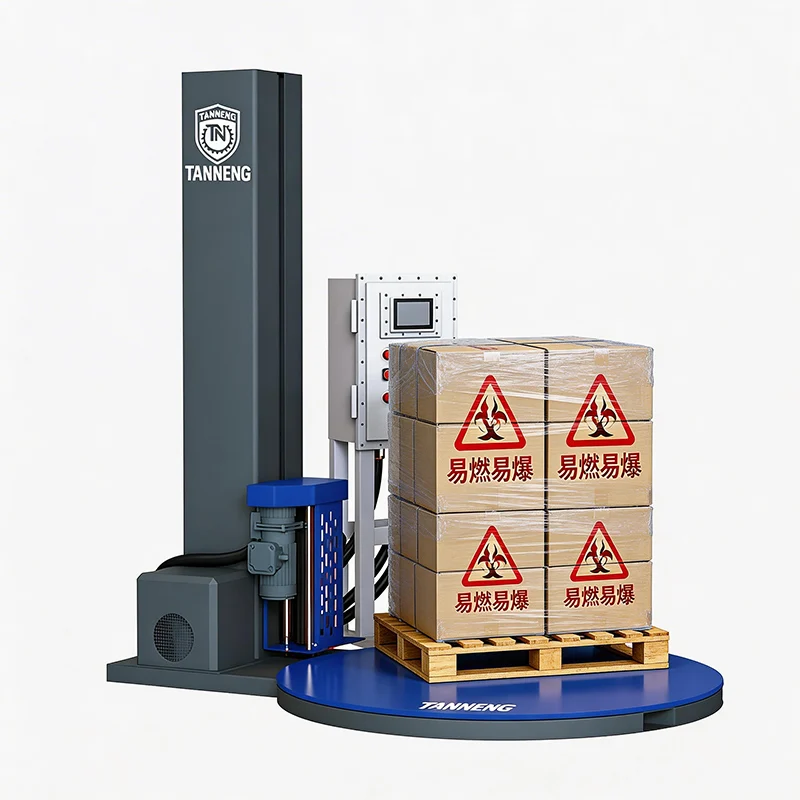
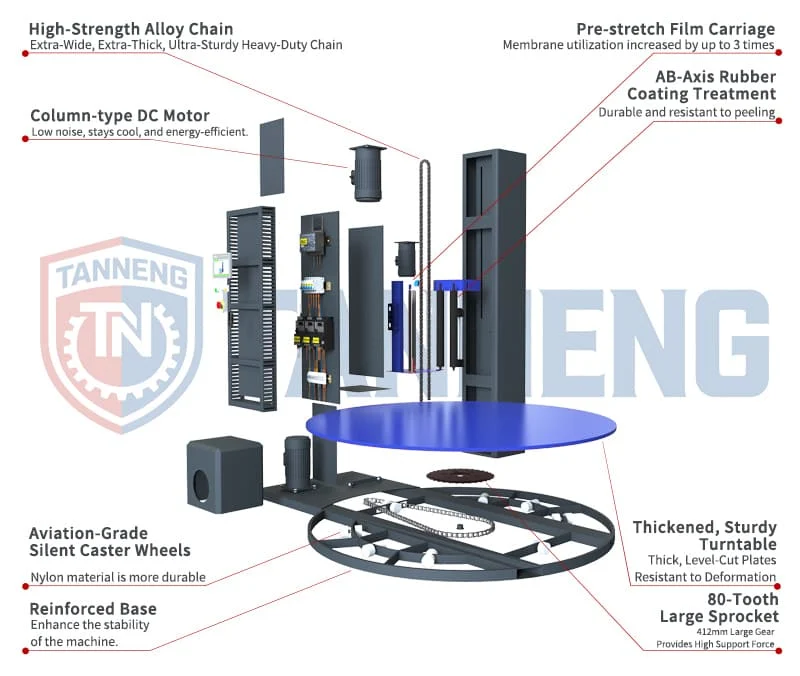
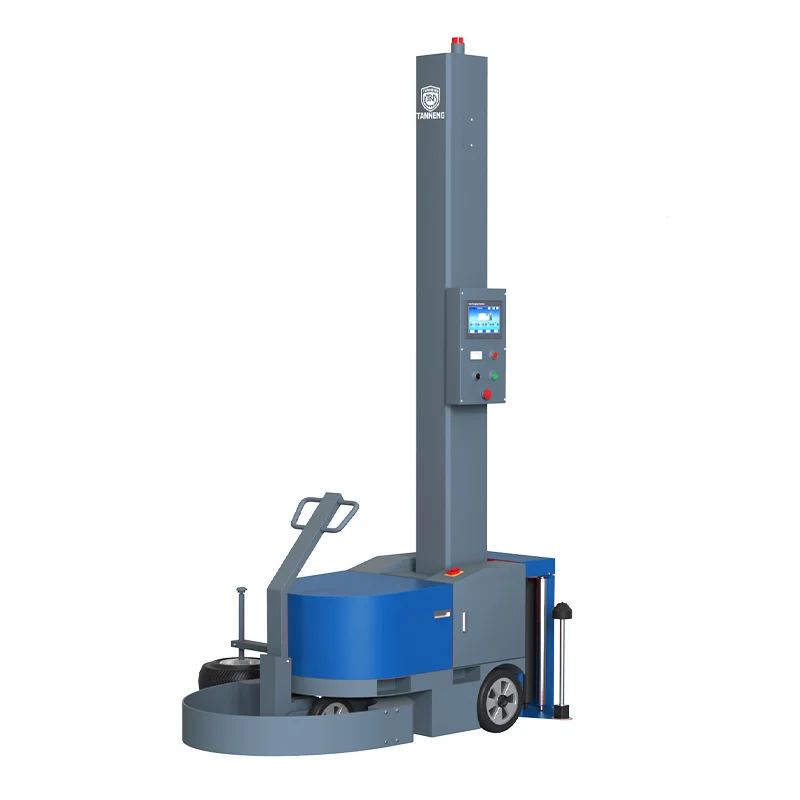
Stretch wrappers are the most ubiquitous type of packaging machinery found in warehouses and distribution centers. They apply a highly stretchable plastic film around palletized goods. The elastic recovery of the film keeps the items tightly bound together. For large-scale operations, investing in an automatic stretch wrapping machine completely removes the need for manual intervention, utilizing motorized conveyors and automated film cutting mechanisms to process hundreds of pallets per shift. Furthermore, modern industrial pallet wrapping equipment often includes pre-stretch carriages that can expand the film by up to 300%, significantly reducing material consumption while ensuring maximum load stability during transportation.
2. Flow Wrapping Systems (Horizontal Form-Fill-Seal)
Flow wrappers are primarily used for packaging individual solid items, such as baked goods, candy bars, medical devices, and hardware components. The machine forms a continuous tube of flexible packaging material around the product, seals it longitudinally, and then cuts and seals the ends. For industries requiring massive output, integrating high-speed flow wrapping solutions ensures that thousands of products can be sealed hermetically per minute without compromising the integrity of the packaging.
3. Shrink Wrapping Systems
Unlike stretch film, shrink film is applied loosely around a product or a group of products and then exposed to heat via a shrink tunnel. The heat causes the film to shrink tightly over whatever it is covering. A high-quality shrink wrapping machine for food packaging is absolutely vital for perishable goods, as it provides a clear, tamper-evident, and moisture-resistant barrier that extends shelf life and maintains pristine hygiene standards.
4. Orbital Wrapping Systems
For products that are unusually long or oddly shaped—such as metal pipes, lumber, extrusions, or large rolled carpets—standard pallet wrappers are ineffective. In these scenarios, heavy-duty orbital wrapping machines are deployed. These machines pass the long products horizontally through a rotating ring that dispenses stretch film, securing the load tightly from end to end.
The Strategic Benefits of Upgrading Your Packaging Line
Transitioning from manual or outdated packaging methods to modern wrapping machines offers a profound return on investment. The benefits extend far beyond mere speed, impacting various facets of the business from sustainability to workplace safety.
Significant Material Cost Reduction
Manual wrapping is inherently inconsistent. Operators often use too much film to ensure load security, leading to staggering material waste. Modern machines utilize advanced load-cell technology and pre-stretch rollers to optimize film usage. By upgrading to cost-effective stretch film wrappers, facilities can reduce their consumable film expenditures by up to 50%. This not only improves the bottom line but also aligns with corporate sustainability goals by minimizing plastic waste.
Enhanced Load Containment and Damage Reduction
The primary purpose of wrapping is to ensure that products arrive at their destination in the exact condition they left the facility. Inadequate load containment is a leading cause of product damage during shipping. Automated machines apply a scientifically calculated containment force that manual labor simply cannot replicate consistently. This drastically reduces the incidence of shifted loads, crushed boxes, and spoiled goods, thereby saving companies thousands of dollars in unsellable inventory and return logistics.
Improved Workplace Ergonomics and Safety
Manual wrapping is a physically demanding task that often leads to musculoskeletal injuries, particularly in the lower back and shoulders. By automating this process, companies eliminate the ergonomic hazards associated with bending, pulling, and walking backwards around pallets. This leads to fewer worker compensation claims, higher employee morale, and a safer warehouse environment.
How to Select the Ideal Wrapping Machine for Your Facility
Choosing the right machinery requires a holistic analysis of your current operations and future growth projections. Buying an undersized machine leads to bottlenecks, while over-investing in unnecessary capacity drains capital.
Analyze Your Throughput Requirements: Evaluate how many units or pallets you process per hour and per shift. Low-volume operations might only require semi-automatic turntable wrappers, while continuous, high-volume logistics centers will necessitate fully automatic rotary ring or rotary arm wrappers.
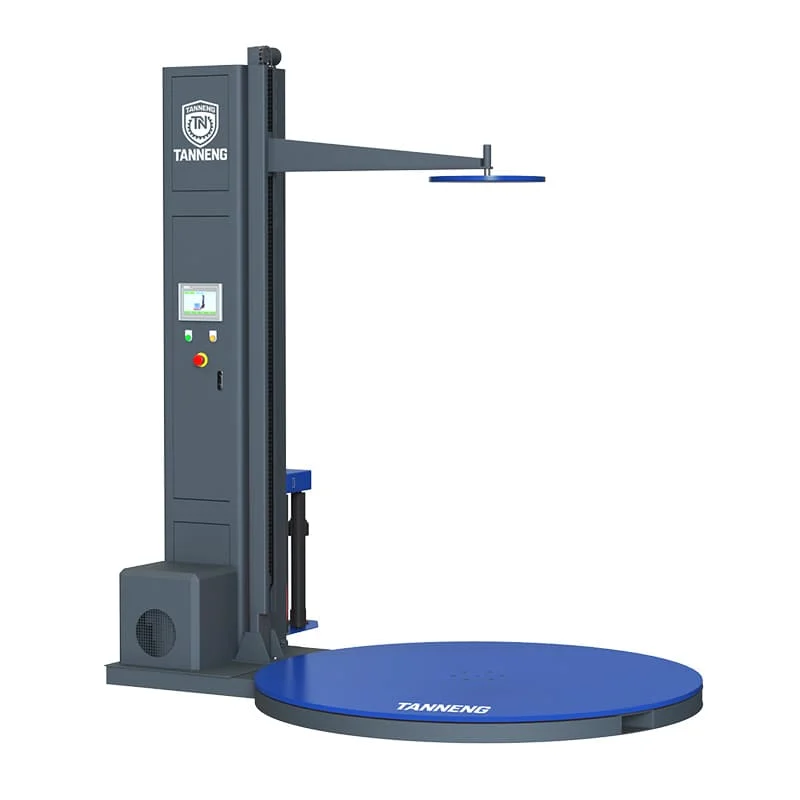
Evaluate Product Characteristics: The weight, dimensions, and fragility of your products dictate the type of machine required. Extremely light or unstable loads cannot be spun on a turntable and require a rotary arm wrapper where the pallet remains stationary while the film arm rotates around it.
Focus on Seamless Integration: Modern manufacturing relies on interconnected systems. Your new wrapping equipment should seamlessly integrate with existing upstream case erectors and downstream logistics software. Investing in customized packaging automation systems designed by experienced engineers ensures that data flows freely across your line, enabling real-time monitoring and predictive maintenance. Consulting with established packaging experts from TANNENG can help facility managers map out the perfect integration strategy tailored to specific spatial and technical constraints.
Maintenance and Longevity: Maximizing Your Investment
To guarantee long-term performance, a proactive maintenance protocol is essential. Wrapping machines operate in demanding environments, often exposed to dust, debris, and continuous vibration. Regular calibration of the pre-stretch rollers, lubrication of the drive chains, and cleaning of the sensor lenses will prevent unexpected downtime. Moreover, training operators to understand the machine’s human-machine interface (HMI) allows for quick troubleshooting of minor faults before they escalate into major mechanical failures.
Conclusion
The implementation of a modern wrapping machine is a transformative step for any production or distribution facility. It is a strategic investment that pays dividends through drastically reduced film usage, virtually eliminated transit damage, and dramatically improved labor efficiency. By carefully evaluating your production needs and understanding the specific advantages of stretch, flow, shrink, and orbital wrappers, you can optimize your end-of-line packaging process. Partnering with a reliable manufacturer like TANNENG ensures that you receive not only cutting-edge equipment but also the ongoing support required to keep your supply chain moving flawlessly in an increasingly demanding global market.
Frequently Asked Questions (FAQs)
1. How much packaging film can I actually save by switching from manual to automatic stretch wrapping?
Switching to an automatic wrapping machine equipped with a powered pre-stretch carriage can reduce film consumption by 30% to 50%. Manual wrappers typically stretch film by only 10-20%, whereas advanced machines can pre-stretch the film by 200% to 300% before it even touches the pallet, maximizing the yield of every roll.
2. What is the core difference between shrink wrapping and stretch wrapping?
Stretch wrapping uses an elastic plastic film that is stretched around a load (usually a pallet); the film’s tendency to return to its original size holds the load tightly together. Shrink wrapping involves loosely placing a polymer film over a product and then applying heat (via a heat gun or shrink tunnel), which causes the film to shrink tightly to the exact contours of the item, typically used for retail packaging or food preservation.
3. Can a new automatic wrapping machine be integrated into my existing conveyor layout?
Yes. Most modern automatic wrapping machines are designed for seamless inline integration. They can be equipped with powered roller or chain conveyors that synchronize perfectly with your existing upstream and downstream conveyor systems, allowing for completely touchless pallet progression through the packaging phase.