


How an Automatic Film Cut Stretch Wrapper Reduces Labor Costs in Warehouse
Release time: 2026-05-11
Table of Contents
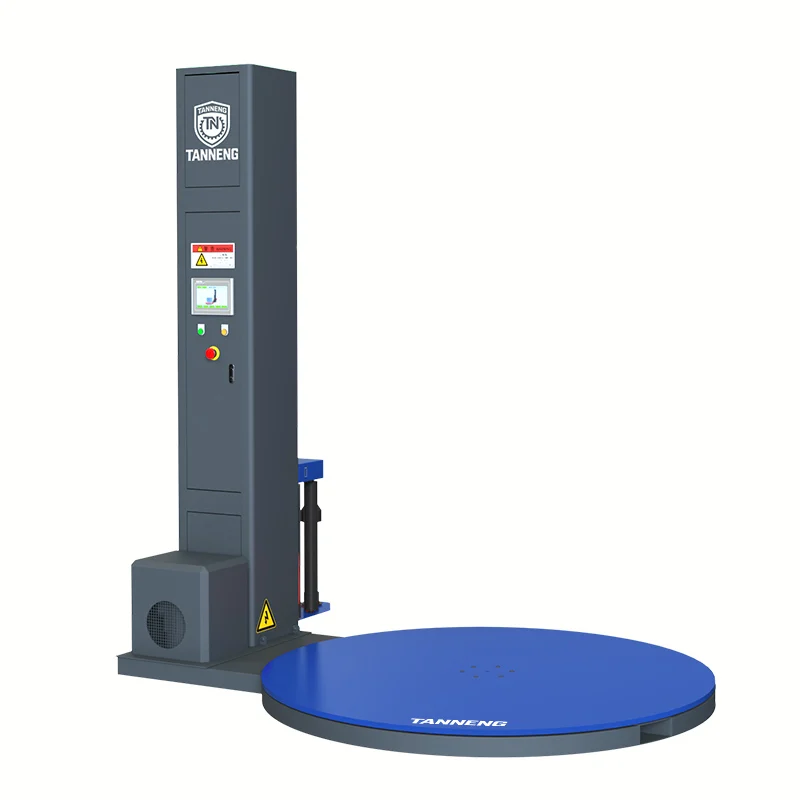
In today’s fast-paced logistics and supply chain sectors, facility managers are constantly seeking innovative strategies to optimize operations and protect profit margins. One of the most significant and recurring expenses in any distribution center or manufacturing plant is manual labor, particularly when it comes to end-of-line packaging. Implementing an automatic film cut stretch wrapper is no longer just a luxury for massive corporations; it has become a strategic necessity for high-volume warehouse packaging operations. By automating the tedious and physically demanding task of securing pallet loads, businesses can significantly decrease operational expenses, boost throughput, and improve overall operational efficiency.
The Hidden and Rising Costs of Manual Pallet Wrapping
To understand the value of automation, one must first analyze the true cost of manual pallet wrapping. When workers manually wrap pallets, they spend valuable minutes walking in circles, bending, and stretching to apply the film. This process is not only incredibly slow but also leads to severe worker fatigue and inconsistent load containment.
Every minute a forklift driver or warehouse associate spends manually tying off film to a wooden pallet, wrapping the load, and then cutting the film by hand is a minute diverted from core tasks like picking, loading, or organizing inventory. This is exactly where upgrading to an automatic wrapping machine becomes a game-changer. Not only does it drastically accelerate the packaging cycle, but it also reallocates valuable human resources to more complex, revenue-generating tasks, effectively reducing operational overhead in logistics.
Core Mechanisms Driving Labor Reduction
The primary advantage of modern automated wrapping systems lies in their intelligent design and hands-free functionality. Here is how these mechanisms directly translate into reduced labor costs:
1. Remote Operation and Auto-Cut Technology
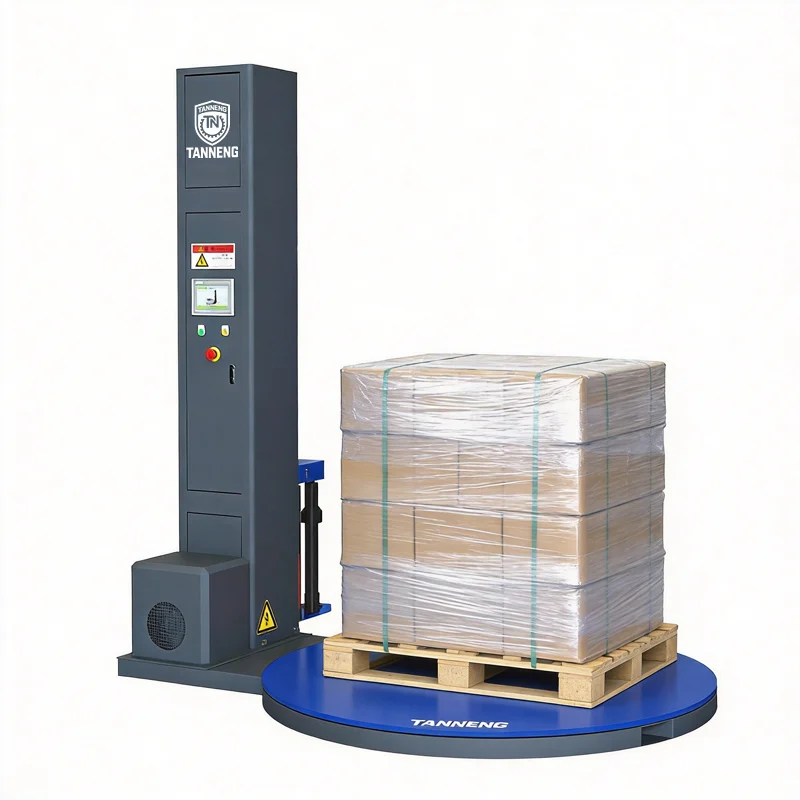
The most revolutionary feature of the automatic film cut stretch wrapper is its ability to operate entirely without a pedestrian worker. Forklift drivers can place the pallet on the turntable, trigger the wrapping cycle via a remote control or a pull-cord switch, and let the machine do the work. Once the cycle is complete, the machine automatically cuts the film and wipes the tail against the load. The driver never has to step down from the forklift. This seamless workflow cuts the handling time per pallet by up to 70%.
2. Eliminating Material Waste Through Precision
Material cost is intrinsically linked to labor and operational efficiency. Manual wrapping relies on the physical strength of the worker to stretch the film, which typically results in a maximum stretch of 10% to 20%. In contrast, using a pallet wrapper to reduce film waste ensures that powered pre-stretch technology maximizes the yield of every single film roll. By utilizing an advanced film carriage tension control system, these machines can pre-stretch the film by up to 300%. This means you are buying less film, spending less time changing empty film rolls, and drastically cutting down on consumable spending.
Efficiency Comparison: Manual vs. Automated Wrapping
To clearly illustrate the financial and operational impact, the following table breaks down the key differences between traditional manual wrapping and utilizing an automated solution.
| Metric | Manual Wrapping Process | Automated Wrapping Process | Impact on Labor & Cost |
|---|---|---|---|
| Time Per Pallet | 3 to 5 minutes | 1 to 2 minutes | Saves up to 3 minutes per load, increasing hourly throughput. |
| Labor Requirement | Dedicated worker or forklift driver dismounting | Zero dedicated labor (Driver stays on forklift) | Reallocates 100% of the wrapping labor to other tasks. |
| Film Stretch Yield | 10% – 20% | 200% – 300% | Reduces film material costs by up to 50%. |
| Load Consistency | Highly variable, depends on worker fatigue | 100% consistent, programmed containment force | Eliminates costly product damage and rework labor during transit. |
| Safety Risks | High risk of back strain and dizziness | Minimal risk | Reduces worker compensation claims and sick leave. |
Broader Benefits Beyond Just Labor Savings
Why should supply chain directors prioritize investing in a labor-saving pallet-wrapping machine? The benefits extend far beyond just eliminating the physical labor of wrapping.
First and foremost is the aspect of improving warehouse worker safety. Manual wrapping is a leading cause of musculoskeletal disorders in warehouses. Removing this ergonomic hazard creates a safer workplace and boosts employee morale. Furthermore, an automated system guarantees automated pallet load stabilization. Because the machine applies the exact same tension and overlap on every single pallet, goods are secured perfectly. This prevents loads from shifting or toppling during truck transit, meaning fewer damaged goods, fewer customer returns, and less labor spent cleaning up broken products at the receiving dock.
Choosing the Right Equipment Partner
Realizing these extensive labor and material savings requires partnering with a reliable manufacturer. Not all machines are built to withstand the rigorous demands of a 24/7 logistics hub. Finding a reputable industrial stretch wrapping machine factory is crucial to ensuring you receive durable equipment with minimal downtime.
In the realm of advanced packaging solutions, TANNENG stands out as a distinguished industry leader. As a professional manufacturer, TANNENG focuses on engineering heavy-duty stretch wrapping equipment that integrates seamlessly into modern distribution centers. By choosing a dedicated enterprise like TANNENG, businesses secure not only top-tier machinery but also long-term reliability and exceptional technical support for their end-of-line packaging automation. Their systems are specifically designed to be user-friendly, ensuring that your workforce can adapt to the new technology with minimal training.
Conclusion: A Strategic Investment for the Future
In conclusion, relying on manual labor for pallet wrapping is an outdated practice that drains warehouse budgets through hidden inefficiencies, material waste, and high labor hours. Upgrading to an automatic wrapping machine delivers an incredibly rapid return on investment (ROI), often paying for itself within the first year through labor and film savings alone.
Making the transition to a labor-saving pallet-wrapping machine and deploying a pallet wrapper to reduce film waste is arguably the smartest strategic move for future-proofing your facility against rising wages. If you are ready to elevate your operational throughput, contacting an expert industrial stretch wrapping machine factory like TANNENG is the first step toward building a leaner, more profitable supply chain.
Frequently Asked Questions (FAQs)
Q1: How exactly does an automatic film cut and clamp feature save labor time?
A: Traditional machines require a worker to tie the film to the pallet before the cycle starts and cut it with a knife when it ends. A machine with automatic cut and clamp features performs these steps mechanically. This allows the forklift operator to place the load, start the cycle remotely, and retrieve the next load while the machine works, completely eliminating the need for hands-on human intervention.
Q2: Can this equipment handle different sizes and weights of pallets automatically?
A: Yes. Modern wrapping equipment, especially those produced by leading brands like TANNENG, features advanced photo-eye sensors. These sensors automatically detect the height of the pallet load and adjust the wrapping carriage accordingly. This means workers do not need to manually reprogram the machine when switching between short, tall, or irregularly shaped loads.
Q3: How long does it take to see a Return on Investment (ROI) after purchasing an automated wrapper?
A: While it depends on your daily pallet volume, most medium-to-high-volume warehouses see a complete ROI within 8 to 14 months. This rapid payback period is achieved through a combination of reduced labor hours (no more manual wrapping), a 30% to 50% reduction in stretch film consumption due to pre-stretch technology, and a significant decrease in product damage claims during shipping.