


Pneumatic vs. Battery-Powered Strapping Tools: Which is Right for Your Warehouse?
Release time: 2026-07-29
Table of Contents
In the fast-paced world of logistics and warehouse management, securing loads efficiently and reliably is paramount. The choice of strapping equipment directly impacts productivity, packaging costs, and overall operational flow. When upgrading from manual tools, warehouse managers typically face a crucial decision: should they invest in pneumatic systems or transition to modern battery-powered technology? This comprehensive guide will dissect the advantages, limitations, and ideal applications for both, helping you determine the best fit for your specific packaging needs.
Understanding the Contenders
Before comparing them head-to-head, it is essential to understand how each type of tool operates and the primary environments they are designed to serve.
The Power of Pneumatics
Pneumatic strapping tools rely on compressed air to function. They are connected to an air compressor via a hose, using the air pressure to tension, seal, and cut the strapping material (usually steel or heavy-duty PET).
These tools are the traditional heavyweights of the packaging industry. They are renowned for their incredible tensioning capabilities and robust durability. Because they don’t rely on internal motors or batteries, they can often withstand harsh, dusty environments and continuous use without overheating.
The Rise of Battery-Powered Efficiency
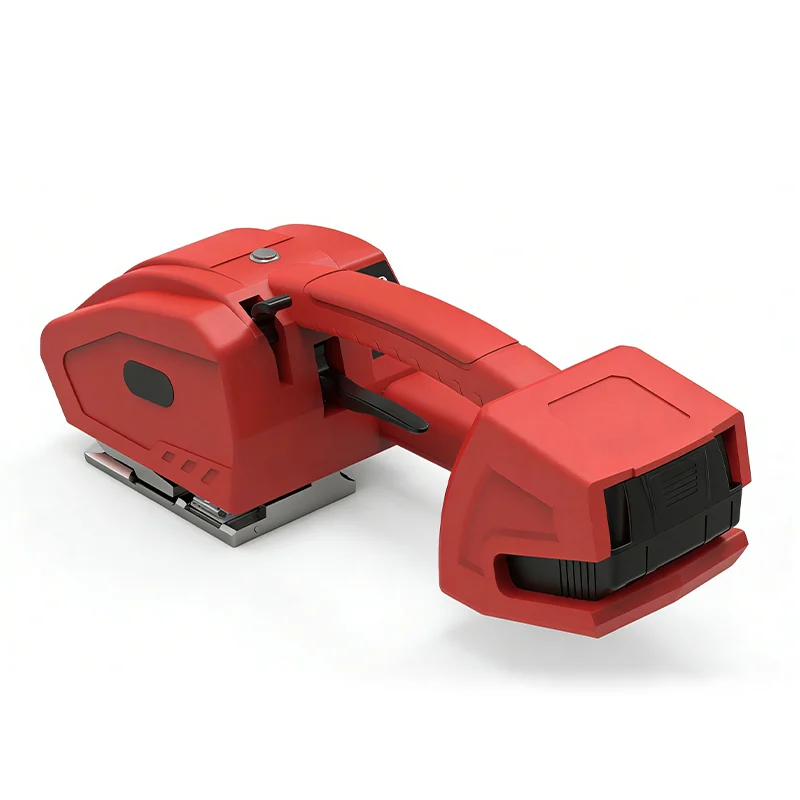
Battery-powered tools, often referred to as a portable strapping machine, utilize lithium-ion technology to drive internal motors that handle the tensioning, friction-welding (sealing), and cutting processes.
These modern devices offer unparalleled mobility. Operators are not tethered to an air line, allowing them to move freely around large pallets or throughout the facility. As battery technology has advanced, these tools have become increasingly powerful, capable of matching the tensioning force of many pneumatic counterparts while offering sophisticated, programmable settings.
Head-to-Head Comparison
To make an informed decision, we must evaluate these tools across several critical operational metrics.
1. Mobility and Flexibility
Battery-Powered: This is where battery tools shine. The lack of cords or hoses makes them the definitive handheld pallet strapping machine. Operators can easily take the tool directly to the load, whether it’s in a staging area, on a loading dock, or deep within the warehouse racking. This flexibility is crucial for operations with decentralized packaging stations or oversized, awkward loads.
Pneumatic: Mobility is the primary limitation of pneumatic tools. They are permanently tethered to an air supply. While long hoses can provide some reach, they can also become tripping hazards and limit the operator’s speed when moving between pallets. They are best suited for fixed, centralized packaging stations where the loads are brought to the tool.
2. Tensioning Force and Consistency
Pneumatic: Historically, pneumatic tools offered the highest and most consistent tensioning force, making them the standard for heavy-duty steel strapping applications (like securing metal coils or heavy timber). They provide relentless, continuous pulling power.
Battery-Powered: Modern battery tools have closed the gap significantly. High-end models can now apply immense tension suitable for heavy PET and even some steel strapping applications. Furthermore, battery tools often feature digital controls that ensure precise, repeatable tensioning on every strap, reducing the risk of operator error and product damage.

3. Cycle Time and Productivity
Battery-Powered: The push-button operation of battery tools often leads to faster individual cycle times. The automated friction-weld sealing process is exceptionally quick and reliable. For high-volume, repetitive tasks where speed is critical, a quality battery tool can significantly boost throughput.
Pneumatic: While pneumatic tools tension quickly, the overall cycle time can sometimes be slightly longer, especially if they require a separate sealing tool or metal clips (though many modern pneumatic tools are combination tools that also friction-weld).
4. Maintenance and Total Cost of Ownership
Pneumatic: These tools have fewer delicate internal electronic components, making them rugged and relatively simple to maintain mechanically. However, they require a well-maintained compressed air infrastructure. Issues with air line pressure drops, moisture in the lines, or compressor maintenance can cause downtime.
Battery-Powered: The upfront cost of a battery tool is often higher. They also require ongoing investment in replacement batteries over the long term. However, they eliminate the need for costly air infrastructure. Regular maintenance involves cleaning the tensioning wheel and tooth plate, but they are generally less sensitive to environmental factors than air-powered systems.
5. Ergonomics and Operator Safety
Battery-Powered: These tools are generally lighter and better balanced. The single-handed operation and lack of trailing hoses reduce operator fatigue and minimize workplace tripping hazards, contributing to a safer and more comfortable working environment.
Pneumatic: Pneumatic tools tend to be heavier. The attached air hose adds weight and drag, which can lead to increased fatigue during extended shifts.
Choosing the Right Tool for Your Application
The decision ultimately hinges on your specific operational setup.
When to Choose Pneumatic
- Fixed Packaging Stations: If your workflow involves bringing all pallets to a single, dedicated wrapping and strapping area.
- Extreme Heavy-Duty Applications: For industries like metallurgy or heavy construction materials where absolute maximum tension with steel strapping is required.
- Harsh Environments: If your facility is extremely dusty or dirty, the mechanical simplicity of pneumatic tools can be advantageous.
When to Choose Battery-Powered
- Decentralized Packaging: If you need to strap loads at various locations across the warehouse or loading docks.
- High-Volume Varied Loads: When efficiency and speed are paramount, and the operator needs to move quickly between different pallet sizes.
- Ergonomic Priorities: If reducing operator fatigue and eliminating trip hazards are primary safety goals.
TANNENG understands that every warehouse is unique. While the industry trend is strongly leaning towards the flexibility of battery-powered solutions, assessing your specific needs is vital.
Summary Matrix
| Feature | Pneumatic Tools | Battery-Powered Tools |
|---|---|---|
| Power Source | Compressed Air | Lithium-Ion Battery |
| Mobility | Low (Tethered to air line) | High (Fully portable) |
| Initial Cost | Moderate (if air infrastructure exists) | High |
| Maintenance | Requires clean air supply; mechanical upkeep | Battery management; simple cleaning |
| Ergonomics | Heavier; hose drag | Lighter; one-handed operation |
| Best For | Fixed stations; extreme heavy duty | Mobile strapping; high efficiency |
Conclusion
Upgrading your strapping equipment is a strategic investment in your supply chain efficiency. While pneumatic tools offer brute strength for specific, stationary applications, the versatility, speed, and ergonomic benefits of battery-powered tools make them the preferred choice for most modern, dynamic warehousing environments.
Whether you need the heavy-duty reliability of a pneumatic system or the agile performance of a portable strapping machine, partnering with a reliable equipment provider ensures you get the right tool for the job. TANNENG offers comprehensive solutions tailored to optimize your packaging line.
Frequently Asked Questions (FAQs)
1. How long does the battery last on a typical handheld pallet strapping machine?
Battery life varies depending on the tool’s power, the strapping material used, and the tension settings. Generally, a modern lithium-ion battery can perform anywhere from 200 to over 800 strapping cycles per charge. Most facilities keep spare batteries on hand to ensure continuous operation throughout a shift.
2. Can battery-powered tools handle steel strapping?
While battery tools are predominantly used for Polypropylene (PP) and Polyester (PET) strapping, there are heavy-duty models specifically designed to handle certain grades of steel strapping. However, for the heaviest steel applications requiring extreme tension, pneumatic tools are often still preferred.
3. What happens if my pneumatic strapping tool loses air pressure?
A drop in air pressure will directly affect the tool’s performance, leading to insufficient tensioning or failed seals. This highlights the importance of maintaining your compressor and ensuring the air lines are free of leaks and adequately sized for the tool’s requirements.