



The Importance of Top and Bottom Case Sealers for Heavy Goods Packaging
Release time: 2026-08-13
Table of Contents
In the demanding world of industrial packaging, securing heavy goods is not just about aesthetics; it’s a critical component of product safety, supply chain efficiency, and brand reputation. When dealing with substantial weights, standard packaging methods often fall short, leading to damaged products, increased return rates, and compromised logistics. This is where the implementation of robust, specialized equipment becomes paramount. Among the most crucial investments for high-volume, heavy-weight operations is a reliable top and bottom case sealer. These machines ensure that both the upper and lower flaps of a corrugated box are securely fastened simultaneously, providing the structural integrity required to withstand the rigors of transit.
Why Heavy Goods Demand Specialized Sealing
Standard taping machines are designed for lightweight to medium-weight parcels. However, when you introduce items like automotive parts, dense machinery components, bulk liquids, or heavy furniture, the dynamics of the package change drastically. The stress placed on the bottom seal during lifting and transport is immense. If the bottom seal fails, the contents will drop, resulting in immediate product loss and potential safety hazards.
Top and bottom case sealers are engineered specifically to address this vulnerability. By applying pressure and high-quality adhesive tape (or hot melt glue, depending on the system) to both ends of the carton at once, they create a unified, reinforced structure. This dual-sealing action is essential for preventing the bottom flaps from blowing out under the pressure of the heavy contents.
Furthermore, these machines are built with durability in mind. A heavy duty case sealing machine features reinforced frames, heavy-duty belts, and robust motors capable of handling the continuous strain of moving heavy, dense packages through the sealing mechanism. This robustness minimizes downtime due to equipment failure, a critical factor in maintaining high throughput in industrial settings.
The Role of Customization in Carton Sealing
Off-the-shelf solutions rarely fit the unique requirements of every manufacturing or fulfillment operation. The dimensions, weight distribution, and specific packaging materials used vary wildly across industries. Therefore, the ability to integrate carton sealing equipment that is tailored to a specific operational flow is a significant advantage.
A custom carton sealer system allows businesses to address their exact needs. This might involve integrating the sealer with existing conveyor systems, adding automated flap folders to streamline the process before sealing, or incorporating specialized tape heads designed for extra-wide or high-adhesion tapes.
For example, a facility handling irregularly shaped heavy goods might require a customized pneumatic system to ensure even pressure during the taping process, preventing damage to the box or the product inside. Customization also extends to software and controls. Advanced systems can be integrated with warehouse management software (WMS) to track throughput, monitor tape usage, and alert operators to potential issues before they cause significant downtime. TANNENG, a provider of packaging solutions, emphasizes the necessity of matching the machine’s capabilities directly to the specific demands of the production line to achieve optimal efficiency.
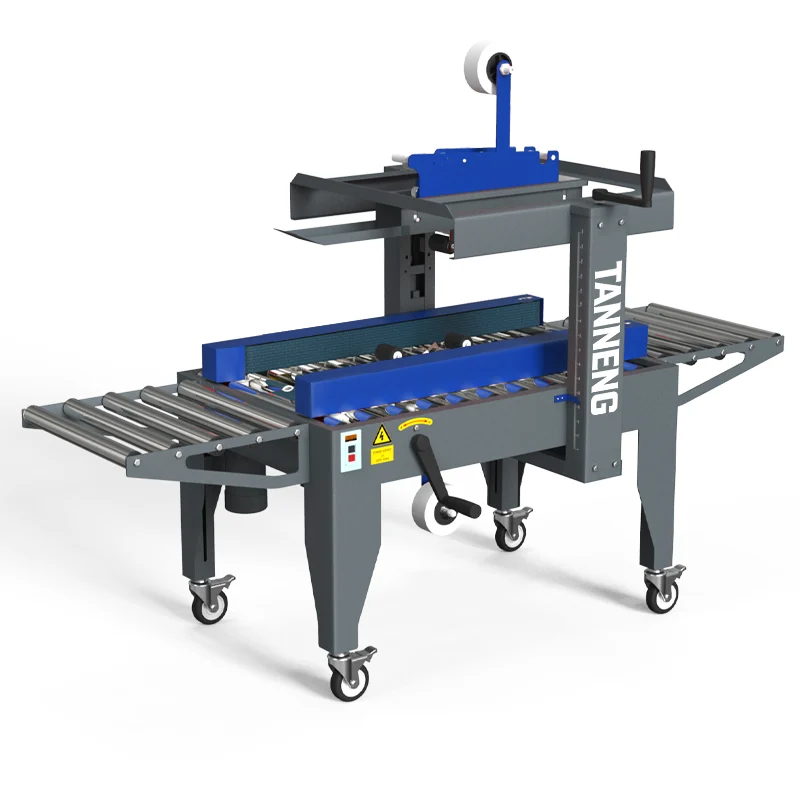
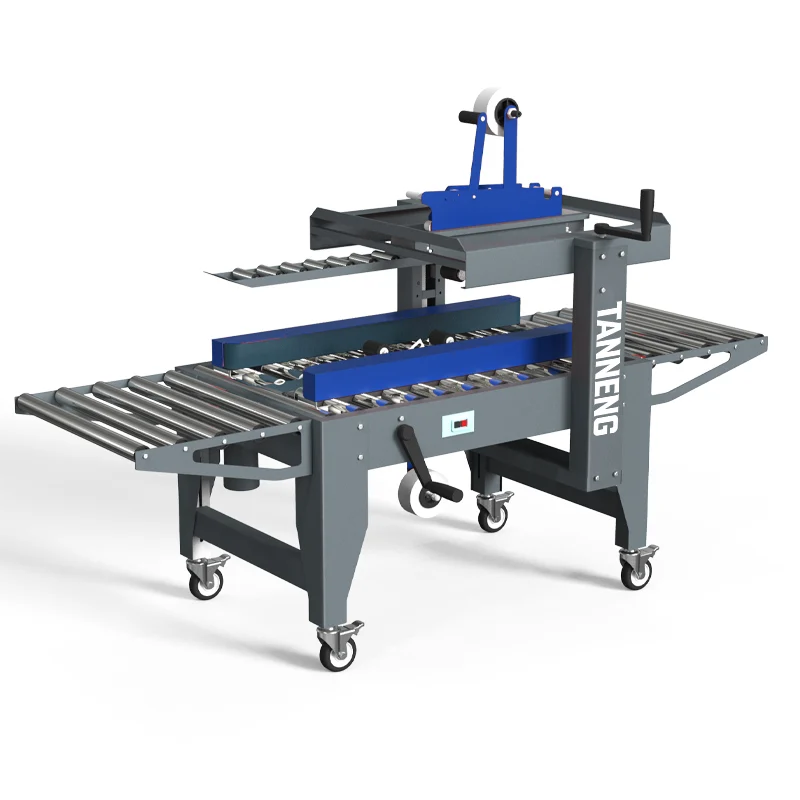
Key Benefits of Top and Bottom Case Sealers
Implementing a top and bottom case sealer for heavy goods offers several tangible benefits that directly impact the bottom line:
- Enhanced Product Protection: This is the most immediate benefit. The reinforced seal significantly reduces the risk of in-transit damage. This translates to fewer returns, lower replacement costs, and higher customer satisfaction. When dealing with high-value heavy items, the cost of a single damaged product can often outweigh the operational cost of the machine for a day.
- Increased Throughput and Efficiency: Manual taping of heavy boxes is slow, labor-intensive, and ergonomically challenging for workers. An automated or semi-automated heavy duty case sealing machine drastically speeds up the packaging process. It ensures a consistent, high-quality seal every time, regardless of operator fatigue. This consistency is vital for maintaining a predictable flow of goods out of the facility.
- Reduced Labor Costs and Improved Ergonomics: By automating the strenuous task of sealing heavy boxes, companies can reallocate labor to more value-added tasks. Furthermore, it significantly reduces the risk of repetitive strain injuries associated with manual taping, leading to lower worker’s compensation claims and a safer working environment.
- Material Savings: Automated sealers are designed to apply the exact amount of tape necessary for a secure seal, eliminating the waste common with manual application where workers might over-tape for perceived extra security. Over time, these savings in consumable materials can be substantial.
- Professional Appearance: A machine-applied seal is clean, straight, and consistent, presenting a professional image to the end customer. This is particularly important for B2B transactions where the quality of the packaging reflects on the quality of the brand.
Understanding Application Scenarios
The necessity for these robust machines spans various industries. Understanding specific application scenarios helps in selecting the right equipment:
- Automotive Parts Manufacturing: Shipping dense, metallic components requires packaging that won’t give way under concentrated weight. A system designed for high-volume auto parts packaging ensures that heavy brake rotors or engine components remain securely boxed until they reach the mechanic or assembly line.
- Beverage and Liquid Distribution: Cases of bottled liquids are exceptionally heavy and prone to shifting. A robust top and bottom seal is crucial to prevent the bottom from falling out during palletization or transport.
- Furniture and Home Goods: Flat-pack furniture and heavy home appliances demand secure sealing to protect vulnerable corners and heavy panels. A customized furniture packaging line often relies on specialized sealers to handle large, bulky dimensions.
- E-commerce Fulfillment Centers: As e-commerce expands into heavier items like fitness equipment and bulk pet food, fulfillment centers must upgrade their packaging lines. Integrating a heavy-duty sealer into a fast-paced e-commerce heavy item fulfillment process is essential for maintaining shipping speeds without compromising package integrity.
Integration Strategies for Maximum ROI
To truly reap the benefits of a top and bottom case sealer, it must be seamlessly integrated into the broader packaging workflow. It’s not just about placing the machine at the end of the line; it’s about optimizing the entire process.
This involves analyzing the upstream processes—how the heavy goods are placed into the cartons and how the flaps are prepped. If the box isn’t squared properly before entering the sealer, the tape may not apply correctly, compromising the seal. Therefore, integrating carton sealing equipment often necessitates evaluating the preceding steps.
Furthermore, downstream processes like palletizing and stretch wrapping must be synchronized with the output of the case sealer. If the sealer works faster than the palletizer, a bottleneck occurs. Conversely, if the sealer is the slowest component, it dictates the overall line speed. A well-planned custom carton sealer system takes these factors into account, ensuring a balanced and efficient flow from product insertion to final palletization. Companies like TANNENG often consult on these integration strategies to maximize the return on investment.
Table: Comparison of Sealing Methods for Heavy Goods
| Sealing Method | Suitability for Heavy Goods (50lbs+) | Setup/Integration Complexity | Labor Intensity | Material Efficiency | Overall Security |
| Manual Taping | Poor | Low | High | Low (Prone to waste) | Inconsistent/Low |
| Standard Top-Only Sealer | Inadequate (High risk of bottom failure) | Low to Medium | Low | High | Low for Heavy Goods |
| Heavy Duty Top & Bottom Sealer | Excellent | Medium to High (Depending on customization) | Very Low | Very High | Excellent |
Conclusion
In conclusion, relying on standard packaging methods for heavy goods is a risk that modern supply chains cannot afford. The financial implications of damaged products, inefficient labor utilization, and potential safety hazards far outweigh the initial investment in specialized equipment. By utilizing a robust top and bottom case sealer, and particularly by taking the time to design a custom carton sealer system that perfectly aligns with specific operational needs, businesses can ensure that their heavy products are protected, their packaging processes are optimized, and their brand reputation remains intact from the warehouse floor to the final destination. The ability to seamlessly integrate carton sealing equipment into the production line is not just an upgrade; it’s a strategic necessity for any operation handling substantial weight.
Frequently Asked Questions (FAQ)
1. What is the maximum weight a heavy duty case sealing machine can typically handle?
The maximum weight capacity varies significantly depending on the specific model and manufacturer. While standard machines might handle 30-50 lbs, true heavy-duty models are engineered to secure cartons weighing 80 lbs, 100 lbs, or even more. It is crucial to consult the manufacturer’s specifications and perhaps test your heaviest typical package to ensure the machine provides adequate bottom support during the sealing process.
2. Can a top and bottom case sealer accommodate different box sizes automatically?
Yes, many modern systems offer varying degrees of automation for box size adjustments. Some use manual hand cranks for batch runs of identical boxes, which is cost-effective but slower during changeovers. Others utilize pneumatic or motorized systems to automatically adjust the height and width for random box sizes coming down the line. The choice depends on the variability of your packaging stream; highly variable streams benefit greatly from fully automatic, random size adjustment capabilities.
3. What type of tape is best used with these systems for heavy goods?
For heavy goods, standard acrylic tape is often insufficient. It is highly recommended to use hot melt tape or high-tack acrylic tape specifically designed for heavy-duty applications. These tapes offer superior initial grab and sheer strength, ensuring the seal holds under the stress of the heavy contents. In some extremely demanding scenarios, reinforced water-activated tape (WAT) might be necessary, though this requires a different type of sealing machine altogether. Always match the tape’s performance characteristics to the weight and environment the package will experience.